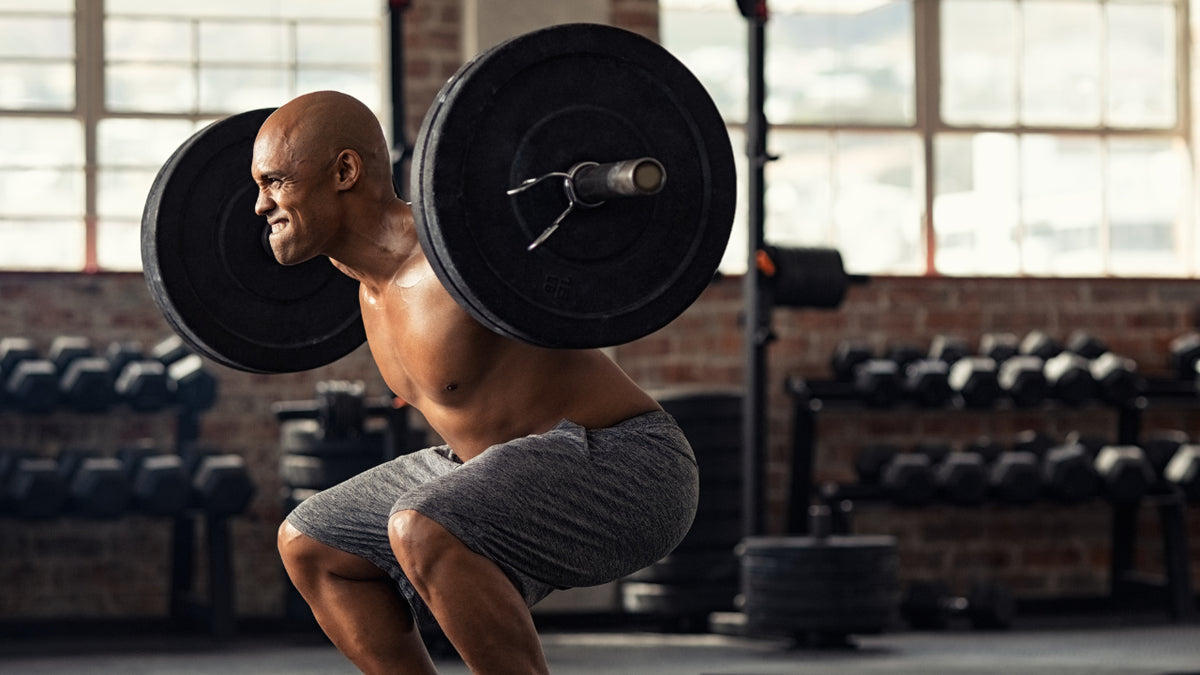
The weight on the bar is easy to record. The structure around it takes more explaining. Two sessions can use the same exercises and total repetitions while arranging the rests very differently: one exercise at a time, two performed together, or a sequence completed before anyone stops.
For palm cooling between sets, that distinction is practical. The opportunity to hold a pair of handles follows the actual pause in the programme, not every moment when a weight touches the floor. Understanding the structure of the work comes before deciding what to add to the rest.
A set and a block are not always the same thing
Imagine a bench-press session built around straight sets. The bar returns to the rack, the working set ends and a planned rest begins. The next job is another set of the same exercise. Equipment used during that pause can stay beside the bench, where the lifter will return to it.
Now imagine the press is paired with a row. The bar being racked does not necessarily mark the start of the rest. It may be the point at which the athlete moves to the second exercise. Only when both exercises are complete does the programme provide a break.
The difference is not a judgement about which arrangement is better. It changes where an additional tool can fit. Picking up the handles between exercises in the second example would introduce a pause that the session may not contain. Waiting until the whole block is complete preserves the intended sequence.
The same reasoning applies to circuits. Hands being briefly free is not always the same as having time available. A useful rest is one the programme actually provides, with enough opportunity to use the equipment without making the next exercise late.
What belongs inside the rest
A break in strength training already has a purpose and a few practical demands. There may be plates to change, a training partner to spot or a note to make about the last set. Palm cooling needs to fit alongside those tasks, not become an argument for ignoring them.
KYLA Performance™ is designed to take heat out through the palms during that pause. The aim is to address heat while there is still work left in the session. It does not add a new exercise or prescribe when the next set should begin.
Once the weight is safely racked and the hands are available, one handle rests in each bare palm. This is contact, not another grip exercise. Gloves need to come off and grips need to leave the palm clear. The KYLA use instructions cover the preparation and holding routine in more detail.
Placing the pair somewhere stable beside the rest position makes that sequence easier to follow. It should not be in the path of a bar, underfoot or somewhere that requires leaving the training area every time. The useful setup is the one that remains straightforward as the session gets busier.
The question is about repeated work
The reason to consider palm cooling here is the work across the session, rather than a promise about a single maximal lift. The distinction matters when reading research as well as when choosing a product.
In a counterbalanced study involving sixteen resistance-trained men, Kwon and colleagues, 2010, found higher total bench-press volume with palm cooling during the rests. The apparatus also applied negative pressure around the hand; it was not a pair of KYLA handles. A later randomised study by McMahon and colleagues, 2023, involving eleven trained men and a different cooling protocol, found no significant benefit for bench-press performance. Neither study tested KYLA.
Those findings make the question worth examining without turning it into a guaranteed number of extra repetitions. The wider research on palm cooling between efforts includes different methods and conflicting results. A product's practical fit in a session and its demonstrated performance effect are separate questions.
For the lifter, the first can be answered directly. Look at the programme, find the end of each working block and consider whether both hands are available during the planned rest. That gives a more useful starting point than changing the rest to match an equipment instruction.
In strength training, the useful place for palm cooling is defined by the programme around the lift. When a set or block ends, the hands become available and the planned rest begins. That is the moment KYLA is designed to occupy, without making the next set depend on a different training plan.