
KYLA vs Other Recovery Methods
Most recovery tools are designed for after training. Palm cooling is designed for during it. Understanding that distinction makes every comparison clearer.
Which Recovery Method Works Best Between Efforts?
There is no single best recovery method. The right tool depends on when it's being used and what it's addressing. For between-effort recovery during training, the most practical and physiologically direct option is targeted cooling applied to the palms. For post-workout recovery, other methods become more relevant.
The Recovery Landscape
Athletes have many recovery tools available: ice baths, compression sleeves, massage, active recovery, foam rolling, saunas, contrast water therapy, and targeted cooling devices.
The question isn't which recovery method is universally best, but which works best in a specific moment during training or after it.
The Key Distinction: Between-Effort vs Post-Workout
Most recovery methods are designed for post-workout use. They're meant to be applied after training is finished, to support adaptation and manage inflammation once the session is complete.
Palm cooling between efforts addresses a different moment. The goal is not to initiate adaptation or manage inflammation. The goal is to support output across the efforts still to come.
Comparing palm cooling to post-workout methods means comparing tools designed for different timeframes and different physiological priorities.
Between-Effort Recovery Methods: Direct Comparison
Ice Baths
Best for post-workout recovery and complete thermal reset after training is finished. Between efforts, they are impractical, logistically difficult, and the systemic response may impair readiness for the next effort rather than support it.
Compression Sleeves
May support circulation during sustained efforts. Between efforts, static compression does not actively dissipate heat and does not engage the AVA pathway that makes palm cooling effective for temperature regulation during training.
Active Recovery (Light Movement)
Supports lactate clearance and keeps the system primed. The limitation: light movement generates heat. If thermal fatigue is your primary constraint during rest periods between efforts, active recovery can add to your thermal load rather than reduce it.
Contrast Water Therapy
Effective for post-workout recovery in facilities with pool access. Logistically impractical for most training environments between efforts.
Palm Cooling
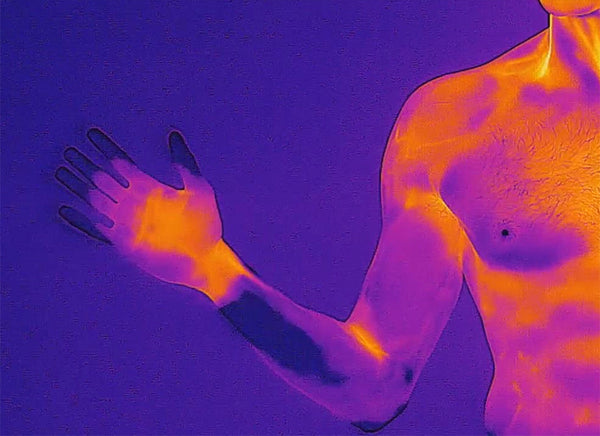
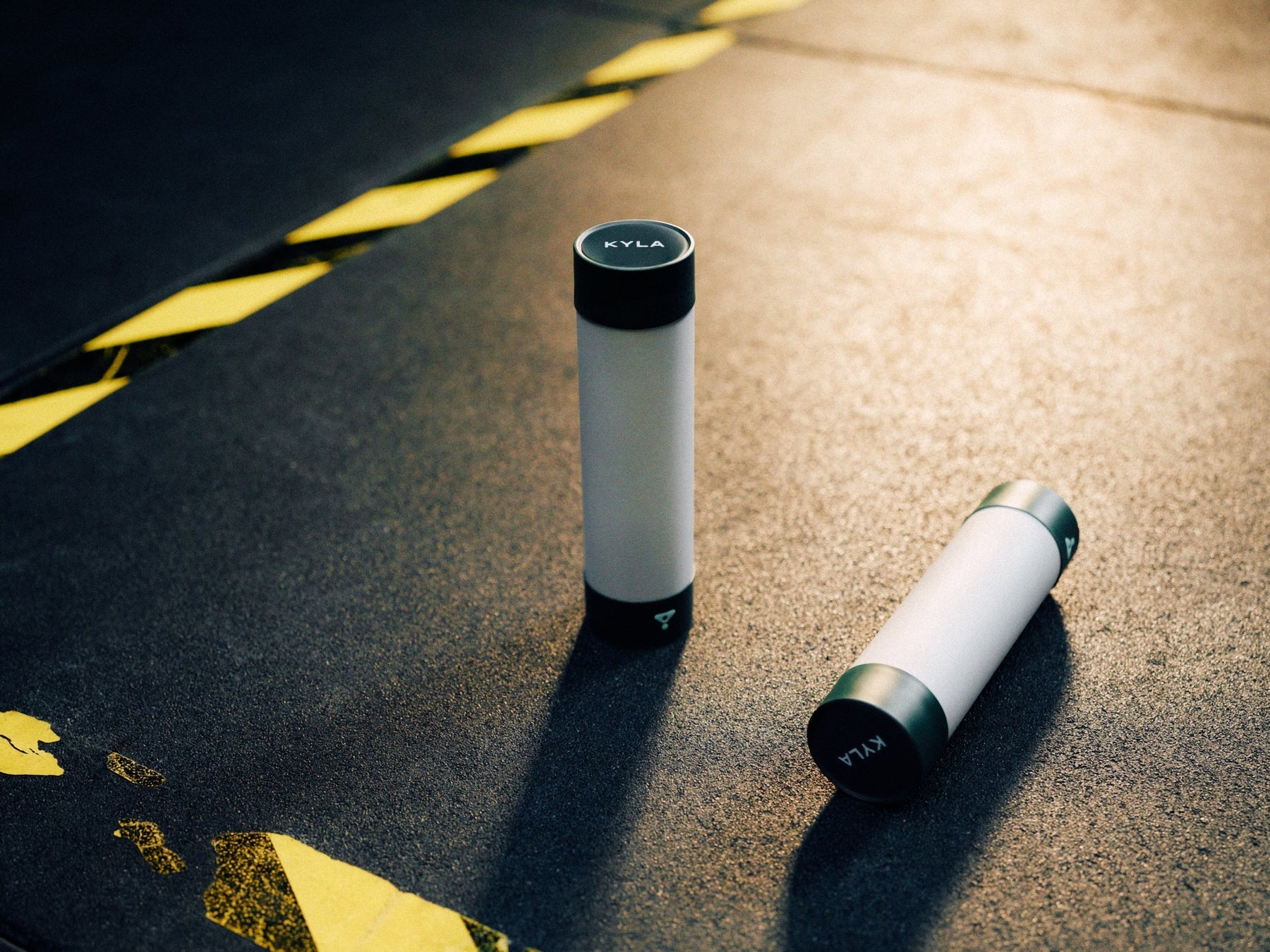
Targeted, controlled cooling applied to the palms during rest periods. Engages the AVA pathway to support core temperature decline between efforts. Practical advantage: usable within a normal rest period, no immersion or infrastructure required. Most relevant during repeated high-intensity efforts in warm environments with short rest periods.
Choosing the Right Recovery Method for Your Context
Long rest periods, cool environment, low-rep strength training: between-effort cooling is less relevant. Post-workout recovery methods are more relevant.
Warm environment, repeated high-intensity efforts, 60 to 90 second rest periods: thermal fatigue is a real factor. Palm cooling is the most practical between-effort recovery method available.
Conditioning work where metabolite clearance is the primary constraint: light active recovery may serve you better, depending on whether heat or lactate is the limiting variable.
Post-workout recovery and adaptation management: ice baths, compression, and contrast therapy belong here. That's a different phase with different priorities.
The Real Distinction
Most recovery methods are designed to manage fatigue after training is complete. Their effectiveness often increases the further removed they are from the next effort.
Palm cooling between efforts addresses a specific physiological state in the present moment, so the next effort can be executed with less thermal constraint. It operates in a different window, addressing a different problem.
Knowing which recovery method belongs where is more useful than ranking them against each other. Use post-workout methods for post-workout recovery. Use between-effort tools for during rest periods in training. The two are not interchangeable. They serve different moments in the same session.
Related articles: "Does palm cooling actually improve performance?" | "Why performance drops between sets" | "How to use rest between sets more effectively"