
The Science Behind Heat Regulation in Training
Palm cooling (also known as palmar cooling) is a temperature regulation method used during training in which the palms are cooled to approximately 10–16°C (50–60°F) during rest periods between efforts. It works by engaging arteriovenous anastomoses (AVAs), specialised blood vessels in the palms designed for heat exchange, to accelerate heat loss and lower core body temperature faster than passive rest. Used consistently between sets, palm cooling can support reduced thermal fatigue, steadier perceived exertion, and more consistent output across repeated high-intensity efforts. In simple terms, palm cooling is a method used between sets to reduce heat buildup and support more consistent performance during training.
Does Palm Cooling Actually Work?
Yes, and the effect is most relevant in specific conditions. The mechanism is grounded in established physiology, but whether it meaningfully affects your output depends on your training context: ambient temperature, effort intensity, rest duration, and how many sets you're accumulating heat across.
It is not cryotherapy. It is not ice therapy. It is a specific intervention designed for one moment in training: the rest period.
For a deeper look at how heat accumulation affects output across sets, see: "Why performance drops between sets"
Why Heat Affects Performance
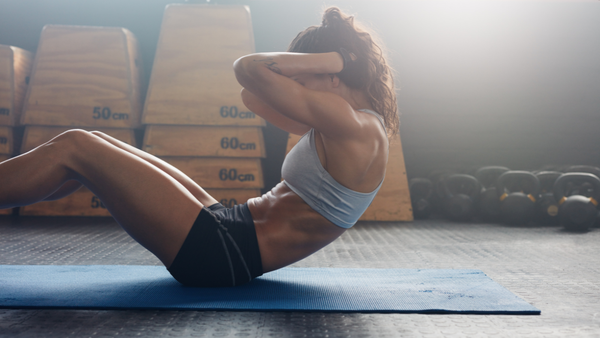
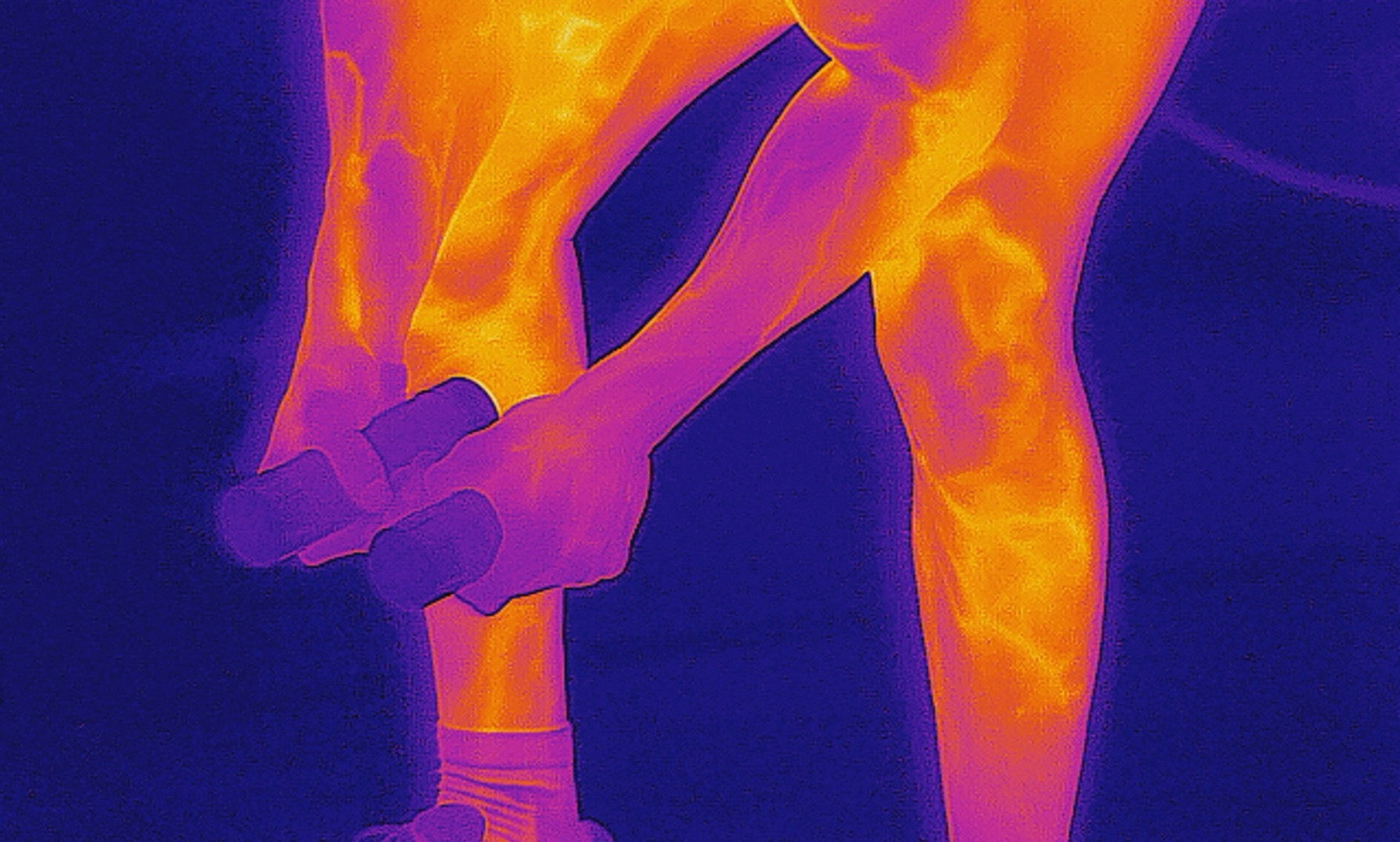
Your body temperature rises during every effort. This is normal. The problem with repeated high-intensity work is that heat accumulation during training happens faster than it dissipates during rest. Your core temperature creeps upward with each set.
This shows up most clearly around the third or fourth working set in a strength session, or as reduced repeatability during interval work. Output starts to feel less stable even before full muscular fatigue sets in. One factor consistently underappreciated here is heat buildup. When the body is managing an elevated thermal load, resources are directed toward temperature regulation rather than force production.
This is why cooling during training matters, not just after it.
How Palm Cooling Works
When you apply palm cooling between sets during a rest period, you engage thermoregulation through one of the most efficient pathways available. Here is the sequence:
- Cooling stimulus applied to the palms triggers increased blood flow through specialised vessels near the skin surface.
- Blood circulating through the cooled palms loses heat before returning to the core.
- Core temperature begins to decline more rapidly than with passive rest.
- Thermoregulatory demand on the nervous system decreases.
- Output feels steadier. Perceived exertion stabilises.
- You approach the next effort with a lower thermal baseline and preserved capacity.
You are not passively resting. You are actively managing your thermal state to support recovery between sets.
Why the Palms?
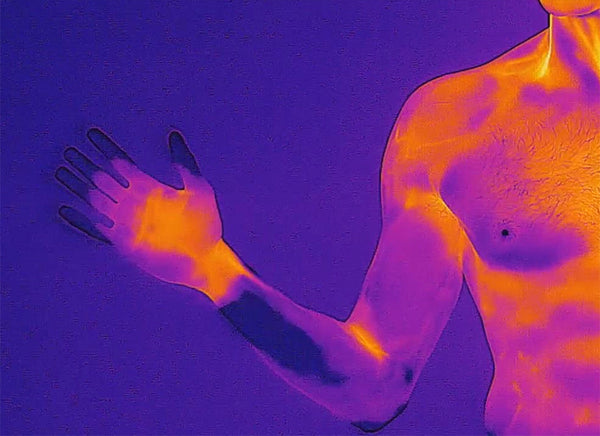
The palms and soles of the feet contain a high density of arteriovenous anastomoses (AVA). These are direct connections between arteries and veins that bypass the capillary network. They exist primarily for thermoregulation, not oxygen delivery to tissues.
A cooling stimulus applied to the palms triggers a larger vasodilatory response than the same stimulus applied to the arm or chest. You get more thermal benefit per unit of cooling when you target the palms. This is not a marketing distinction. It is anatomy.
Palm Cooling vs Other Cooling Methods
Not all cooling methods are equivalent, and most are not designed for use between efforts.
Ice baths trigger a whole-body immersion response. Effective for post-workout recovery. Impractical and disruptive between efforts during training.
Cryotherapy chambers cool the entire body rapidly. Useful after training. Not practical in a rest period.
Compression sleeves and ice vests address skin temperature or localised muscle cooling, not core thermoregulation through the AVA pathway.
Palm cooling during training is specific. It targets the right pathway, at the right moment, in the right timeframe. It is a tool for temperature regulation during training, not after it.
When Does Palm Cooling Make the Biggest Difference?
In the right context, yes. The effect is most relevant when:
- Training involves repeated high-intensity efforts with short rest periods.
- Ambient temperature is warm, an outdoor environment or a hot gym.
- Heat accumulation during training has had enough sets to build meaningfully.
The effect is smaller when rest periods are long, intensity is low, or the environment is already cool. Cooling works best when thermal fatigue is already a factor.
Palm cooling is not a substitute for good training structure. It works within a well-designed session to support what passive rest cannot fully achieve on its own.
The Practical Reality
You do not need to understand every detail of thermoregulation. What matters is the outcome: more consistent output, better recovery between sets, and less performance drop across a session.
Palm cooling is not just a concept. It can be applied directly during training using tools designed for this specific moment between efforts. If there is a rest period, there is an opportunity to use it better.
Frequently Asked Questions
-
Does palm cooling work?
The mechanism is well-established. The palms are designed for heat exchange through a specialised vessel network. Cooling them during rest supports faster heat loss and more efficient temperature regulation during training compared to passive rest.
-
How long should you use palm cooling?
Most rest periods run 60 to 180 seconds. Applying palm cooling for the majority of that window gives your body enough time for meaningful heat exchange. Consistency across sets matters more than duration in any single rest period.
-
Is palm cooling the same as ice therapy?
No. Ice therapy targets localised muscle tissue for inflammation or pain management. Palm cooling targets core thermoregulation through the AVA pathway. The mechanism, the goal, and the application are different.
-
How do you cool down between sets effectively?
Managing your thermal state actively during rest is more effective than passive waiting. Controlled cooling applied to the palms during rest is currently one of the most physiologically direct methods available for reducing heat accumulation between efforts.
Related Articles: "Why performance drops between sets" | "Does palm cooling actually improve performance?"