

The bedroom is a performance variable because deep sleep depends on the body shedding heat. A room even a couple of degrees too warm blocks the core-temperature drop that restorative sleep requires, and the next day's training pays for it.
Sleep research has converged on a few firm conclusions over the past decade. Sleep is one of the most important variables for how you train the next day. Athletes who sleep less than seven hours show measurable performance decrements within days. Reaction time degrades. Strength drops. Injury risk rises.
What is less widely discussed is the temperature half of the sleep conversation.
The body's daily temperature cycle
The body's core temperature has a daily cycle. It is highest in the late afternoon and falls steadily through the evening, reaching its low point about two hours after sleep onset. This drop is not incidental. It is one of the primary biological signals that initiates deep sleep. A body that cannot drop its temperature does not enter the slow-wave phases that produce the most restorative sleep.
The bedroom environment either supports this drop or resists it.
What the research says
Research from sleep labs points the same way. A cool room supports deep sleep, and a warm one fragments it, with less deep sleep and more wake events. The effects grow as the room gets warmer.
Most bedrooms, in most homes, are warmer than this. Bedrooms are often kept warm, partly for comfort at the moment of getting into bed, partly because heating systems are not designed to differentiate between living spaces and sleeping spaces. The result is a slightly elevated thermal load during exactly the hours when the body is trying to lower its temperature to access deep sleep.
The cheapest lever available
The implication for athletes is significant. Sleep is the foundation of the next session, and bedroom temperature is the cheapest, most underused lever for improving it. Cooling the room costs nothing once the heating is set differently. It is closer to free than anything else an athlete can change.
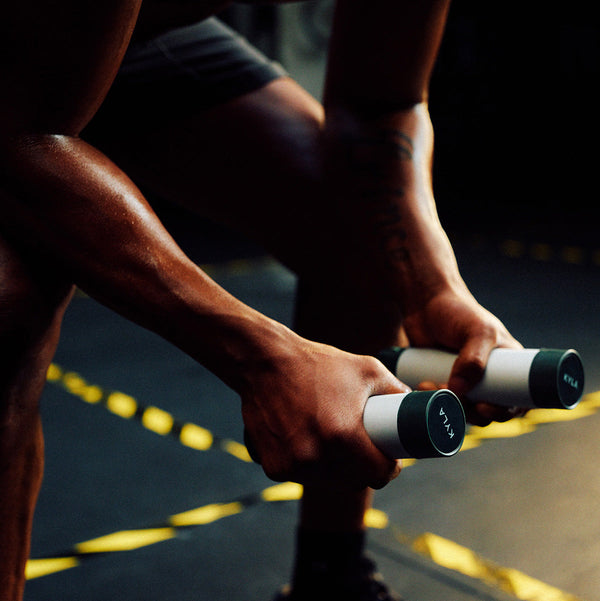
There is a parallel here to what happens in training. The body is trying to release heat. Most environments do not let it release heat fast enough. The system works harder than it needs to, and performance pays for it. This is the same gap KYLA Performance™ is built to close inside the session itself, in the space between efforts.
The bedroom is the most consistent example of this. Eight hours, every night, every season, the body is either being helped or hindered in its attempt to drop core temperature. Across a year, that adds up to about 3,000 hours in which the body is either helped or hindered.